The "Embodied AI" Revolution (AI with a Sense of Place)
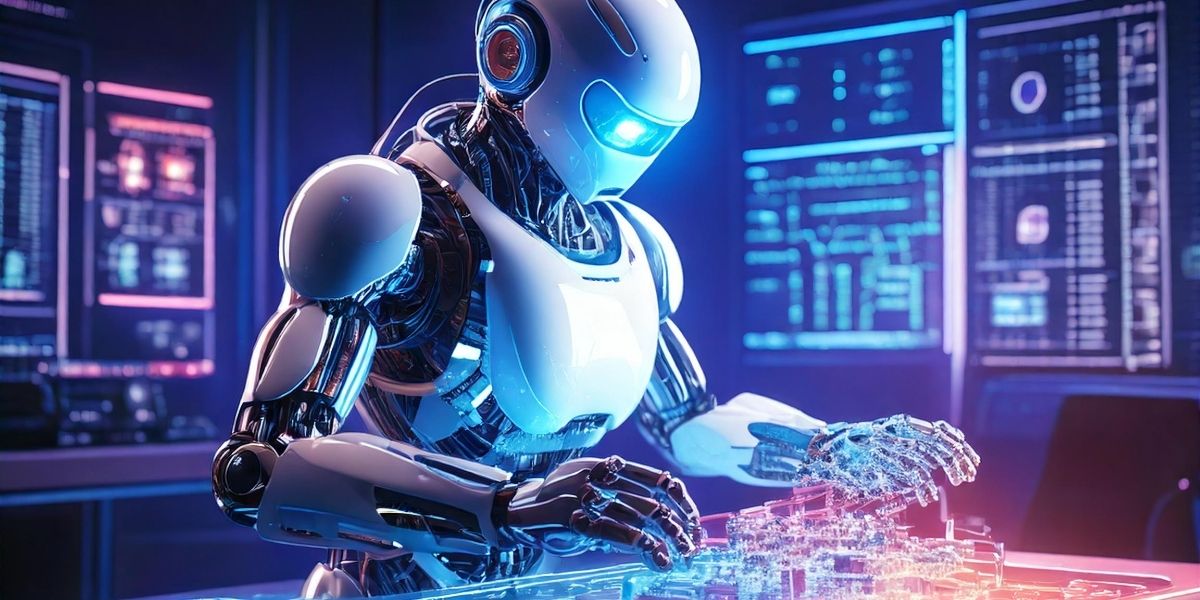
Back in the early days of AI, everything seemed so promising on paper. Models like ChatGPT could spit out essays, code snippets, and even jokes that felt almost human. But as we roll into 2026, something's become clear: all that chatter was missing the point. AI wasn't really understanding the world; it was just shuffling words around. Now, the real change is happening with what folks call embodied AI, systems that don't just process text but interact with the physical stuff around us, like gravity pulling things down or the way a door swings open. This shift from language models to world models isn't some minor upgrade; it's redefining what intelligence means in tech.
Think about how we got here. Language models, those big neural networks trained on mountains of text, ruled the scene for years. They could answer questions, summarize books, or even pretend to be your therapist. Yet they stayed trapped in screens, disconnected from reality. A report from Deloitte points out that as physical AI systems mature, organizations are deploying fleets of robots and autonomous vehicles, blending AI with real-world hardware. That's the trend in early 2026: AI is breaking free from digital confines and stepping into bodies, whether that's humanoid robots or smart drones. It's why robots are moving more like people, fluid and adaptive, instead of the clunky machines we saw a decade ago.
The core issue with old-school AI boils down to one word: consequence. Take a simple example. ChatGPT knows a glass of water is a container holding liquid, right? It can describe its shape, volume, even the chemistry of H2O. But tilt that glass too far, and what happens? The water spills, makes a mess, maybe soaks your shirt. The model has no clue about that chain of events because it's never felt gravity or handled a real object. It lacks the physics of thought, that gut-level grasp of cause and effect. Without a body, AI's "knowledge" is abstract, like reading about swimming without ever jumping in the pool.
This limitation shows up everywhere in practical use. In factories, early AI could optimize schedules on a computer, but it couldn't adjust when a tool slipped or a part jammed. At home, voice assistants like Alexa might turn on lights, but they don't understand why a kid's toy blocking the door matters. The problem isn't smarts; it's isolation. AI debates often circle around whether machines can think, but thinking alone gets you nowhere without sensing the world. As one analysis from VMblog notes, embodied AI is entering mainstream use in 2026, bringing flexibility to tasks that language models could only dream about. We're seeing this in real time with companies pushing boundaries.
The shift to embodied AI changes everything by giving these systems a sense of place. World models, as they're called, aren't just predicting words; they're simulating physical laws. Gravity, distance, friction: all baked in. By hooking AI up to sensors, cameras, and actuators, it learns from trial and error in the actual environment. A robot arm doesn't just follow a script; it feels the weight of an object, adjusts its grip, and predicts if it'll drop. This is the context AI has been missing.
Look at the robots making waves right now. Tesla's Optimus Gen 2, for instance, is designed for repetitive tasks but with AI that lets it adapt on the fly. It can fold laundry or sort items, learning from physical feedback rather than pre-programmed moves. Boston Dynamics' Electric Atlas takes it further, handling industrial work with fluid motions that mimic human balance. At CES 2026, these demos stole the show, from Unitree's G1 kickboxing to Agility Robotics' Digit navigating warehouses. These aren't toys; they're the start of AI that interacts with us in shared spaces.
To visualize this, here's a glimpse of embodied AI robots in action, showcasing how they're blending intelligence with physical prowess.
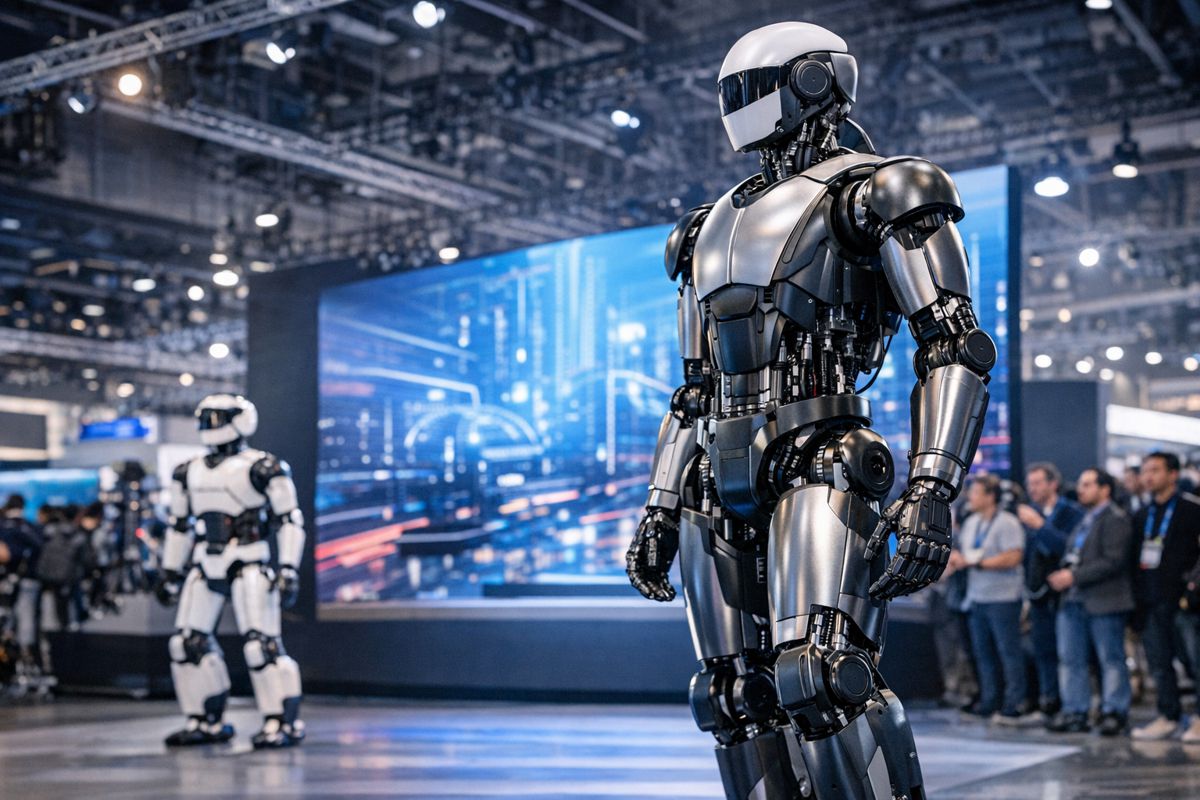
Market numbers back this up. The embodied AI sector is exploding, projected to jump from 4.44 billion dollars in 2025 to 23.06 billion by 2030, growing at nearly 39 percent yearly. Why the rush? Because embodiment solves real problems. In healthcare, robots with tactile sensors can assist surgeries, feeling tissue resistance just like a doctor. In logistics, autonomous vehicles use world models to predict road hazards, not just map routes. A post from CES 2026 highlights how physical AI dominated the event, with demos from Boston Dynamics and everyday AI appliances. It's not hype; it's hardware meeting software in ways that make sense for daily life.
But let's dig deeper into why this matters philosophically. Intelligence isn't just computation; it's tied to experience. Philosophers have argued this for decades. Maurice Merleau-Ponty, back in the mid-20th century, said perception and understanding come from being in a body, moving through the world. Without that, cognition is incomplete. Modern thinkers echo this in embodied cognition theory, which says the mind shapes itself through bodily interactions. Your brain doesn't think in isolation; it relies on signals from muscles, eyes, even gut feelings.
Apply that to AI, and the twist hits hard: true general intelligence, or AGI, can't live in a cloud server. It needs embodiment to grasp reality. A disembodied model might simulate physics, but it doesn't live them. As one encyclopedia entry puts it, embodied cognition views the organism, its actions, and the environment as interconnected. Without a body, AI misses the loop of action and feedback. Mirror neurons in humans, discovered in the 1990s, fire when we act or watch others act, building empathy and understanding. AI needs something similar: sensors that let it "feel" consequences.
This isn't abstract musing. In 2026, we're seeing it play out. Google DeepMind's work with Boston Dynamics' Atlas combines advanced models like Gemini with physical robots, creating systems that learn by doing. An X post from Demis Hassabis expresses excitement about this integration, hinting at how embodiment unlocks new capabilities. If AGI is the goal, a server farm won't cut it. Intelligence requires wrestling with the messiness of the physical world: uneven surfaces, unexpected noises, the pull of gravity.
Critics might say we're anthropomorphizing machines, but data suggests otherwise. Embodied systems outperform disembodied ones in tasks needing adaptation. For example, in contact-rich tasks like folding clothes or assembling parts, multimodal vision-language-action models are scaling up, as predicted by robotics expert Dylan Bourgeois. These models train on real interactions, building world models that predict outcomes accurately.
Here's another view of these advancements, with robots demonstrating tactile and spatial awareness in dynamic settings.
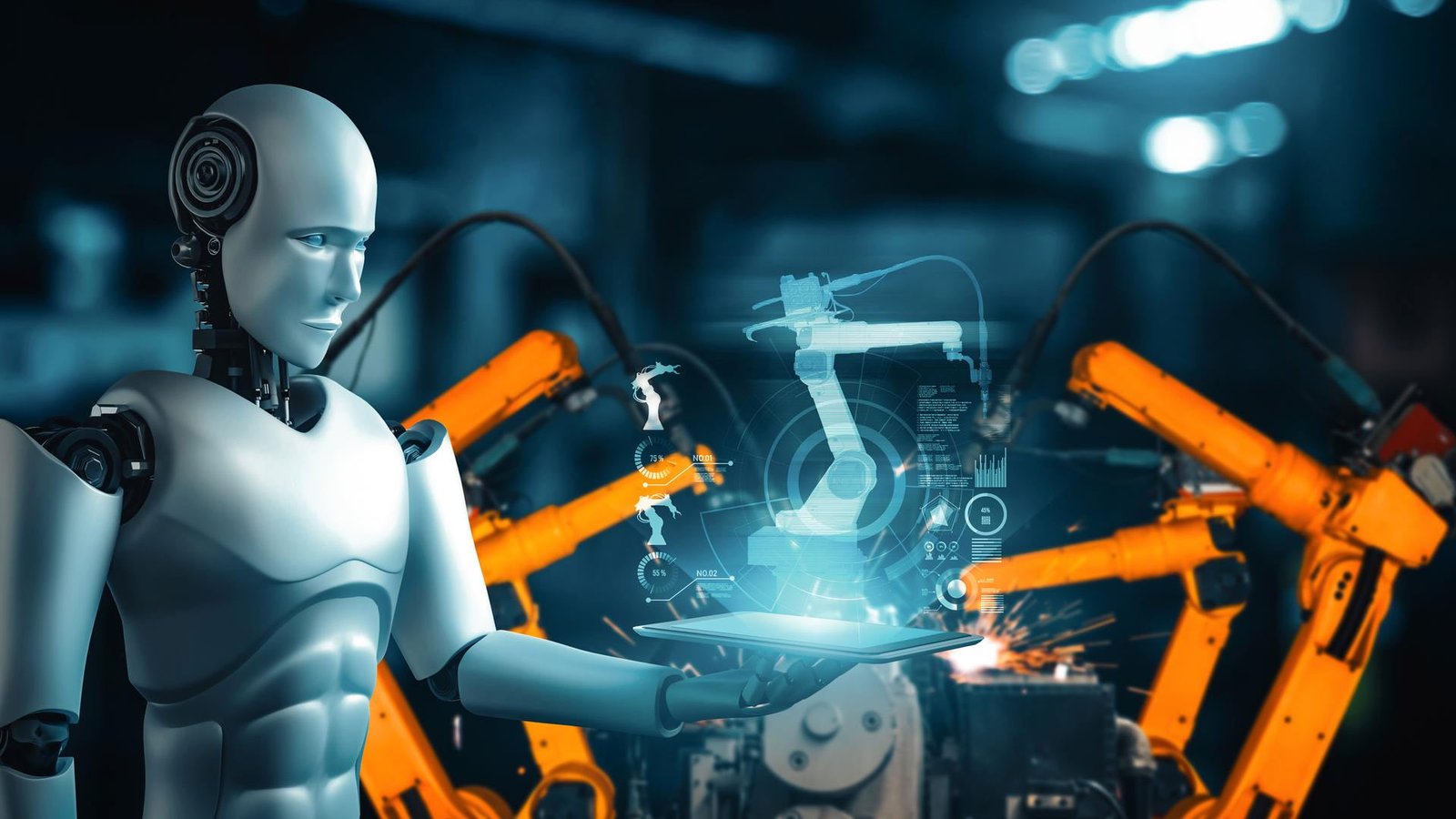
Of course, this revolution brings challenges. Jobs in manufacturing and service might shift as robots take over repetitive work. Ethical questions loom: how do we ensure these embodied AIs are safe? What about privacy when sensors are everywhere? A McKinsey report on tech trends warns of these, emphasizing the need for balanced development. Still, the upsides are huge. In elder care, robots could provide companionship with real empathy, sensing emotions through touch and voice. In education, kids might learn physics by watching AI manipulate objects, making abstract concepts tangible.
Looking ahead, 2026 feels like a tipping point. Predictions from experts like those at IBM suggest AI will reshape sectors through physical integration. Open-source efforts, like Tensor's OpenTau toolkit for autonomous systems, are democratizing this tech. We're not just building smarter chatbots; we're creating AI with a soul, grounded in the same reality we navigate every day.
Yet, embodiment isn't a magic fix. Data quality remains key. As one X thread discusses, frontier AI needs world-scale multimodal data for robotics, capturing embodied context that public sources miss. Permissioned streams, with user consent, could fuel better spatial reasoning. This ties back to the philosophical core: understanding demands experience.
In the end, AI had to leave the screen because thought without physics is hollow. World models give it context, turning knowledge into wisdom. As we push forward, remember: the soul of intelligence lies in feeling the world, one interaction at a time. This revolution isn't about machines thinking like us; it's about them living alongside us, consequences and all.


Comments
Post a Comment