Sam Altman in Damage Control Mode as ChatGPT Users Are Mass Cancelling Subscriptions Because OpenAI Is “Training a War Machine”
OpenAI Trains A War Machine: The Pentagon Deal Shows How User Data And Models Now Serve Military Goals.
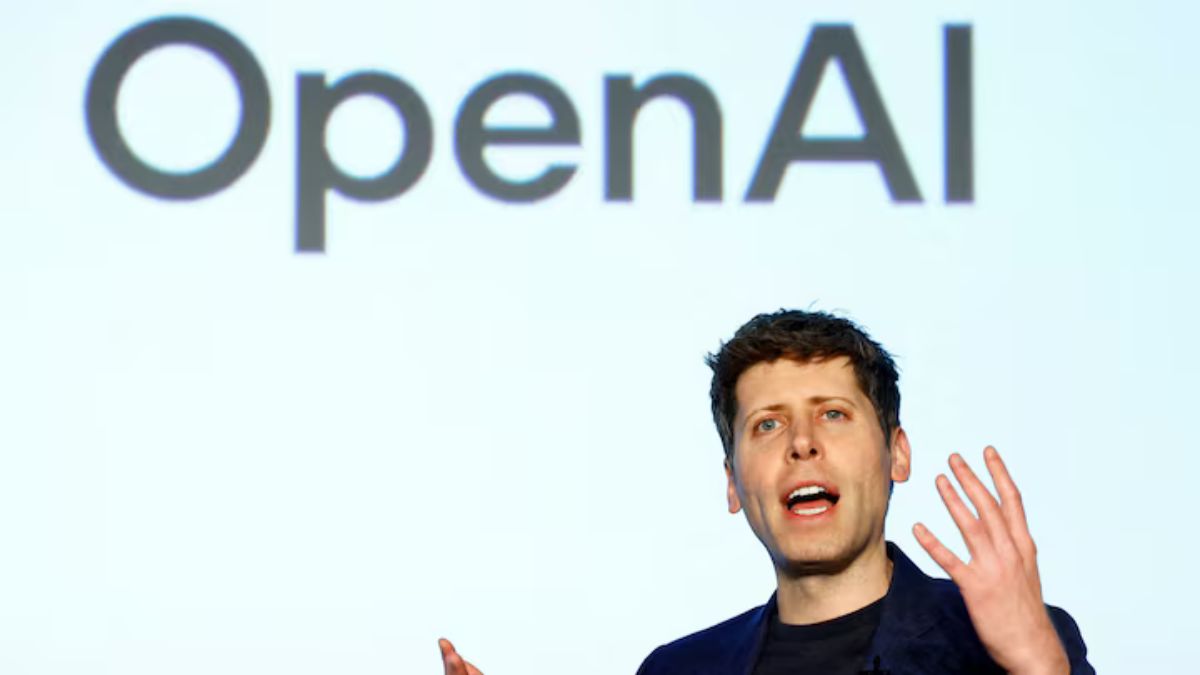
Sam Altman faced quick criticism in late February 2026 after OpenAI announced a new agreement with the US Department of Defense. The deal lets OpenAI models run on classified military networks. Users reacted fast. Many cancelled ChatGPT subscriptions. App uninstalls rose 295 percent in one day. Claude from Anthropic took the top spot in the US Apple App Store. A Reddit thread in r/ChatGPT gained massive votes with the line "You are now training a war machine. Let us see proof of cancellation." Altman called the announcement rushed and said the optics looked bad. He later amended the contract to add language against domestic surveillance of US persons. These steps did not change the core issue. OpenAI supplies advanced AI to the military for lawful uses. That support turns user interactions and model development into tools for war.
The event started on February 27 2026. President Trump directed federal agencies to stop using Anthropic tools. Anthropic had refused Pentagon terms over concerns about mass surveillance and lethal autonomous weapons. OpenAI stepped in hours later. It agreed to deploy its systems on classified networks. Altman posted on X that the deal included safeguards. The company kept its safety stack in place. Models run only in the cloud. Cleared OpenAI staff stay involved. The contract says the military can use the AI for any lawful purpose consistent with law and policy. OpenAI lists three red lines: no mass domestic surveillance, no independent direction of autonomous weapons where human control is required, and no high-stakes automated decisions like social credit systems. On March 2 the company added clearer text. The AI shall not be intentionally used for domestic surveillance of US persons or nationals. This includes no deliberate tracking through bought personal data. The Pentagon also said its intelligence agencies like the NSA would not use the systems without a new contract.
These details sound protective on paper. They do not stop the military from using the models in actual operations. The phrase "any lawful purpose" leaves room. US law has allowed broad data collection before through programs like PRISM and Executive Order 12333. The deal references current laws and DoD Directive 3000.09 from 2023 on autonomous systems. That directive requires human approval in some cases but does not ban AI assistance in targeting or planning. OpenAI itself updated its usage policy in January 2024. It removed the explicit ban on military and warfare applications. The old policy blocked activity with high risk of physical harm including weapons development and military uses. The new version only bans development or use of weapons in ways that violate other rules. This shift opened the door to defense work. By 2025 OpenAI already held a contract worth up to 200 million dollars with the DoD for prototype systems in warfighting and enterprise domains.
User data plays a direct role in this process. Millions of people chat with ChatGPT every day. These interactions help refine the underlying models through feedback loops even when companies say they do not train directly on opted-out conversations. The base capabilities improve. The military gets access to those stronger models on classified networks. When a soldier asks the system to analyze logistics data or review intelligence reports the output feeds back into better performance. OpenAI calls this deployment architecture secure. It still means civilian users contribute to technology that ends up in war planning. Reports from the time of the deal noted that strikes on Iran happened hours after the announcement. Some sources claimed prior DoD use of similar AI for target selection. Whether Claude or OpenAI models played a part the pattern is clear. Advanced language models speed up analysis of satellite images predict enemy moves and optimize supply routes. In Ukraine both sides use AI to raise drone strike accuracy from 30 to 50 percent up to 80 percent. The US military runs Project Maven to process imagery and detect threats faster. It builds Joint All-Domain Command and Control systems that link sensors across forces with AI. OpenAI models can plug into these setups.
Microsoft ties make the picture larger. Microsoft invested billions in OpenAI and provides Azure cloud services. The DoD approved Azure OpenAI for classified levels in 2025. Microsoft holds major defense contracts including the JEDI cloud deal worth tens of billions. When OpenAI deploys on classified networks it often runs through Microsoft infrastructure. This creates a pipeline from consumer chats to military servers. OpenAI states it retains control of the safety stack and keeps staff in the loop. The military gains frontier capabilities for real tasks. These include administrative help for service members cyber defense data analysis and warfighting prototypes. The company says all uses must follow its guidelines. The guidelines now allow national security work that aligns with the mission. Altman has said the US military needs strong AI to face adversaries who integrate the technology faster. That statement admits the goal is military advantage.
Look back at OpenAI history for context. The company started in 2015 as a nonprofit to ensure artificial general intelligence benefits all humanity. It promised to avoid uses that harm people. Early charters stressed safety and broad benefit. In 2019 it became a capped-profit structure to attract capital. Microsoft poured in more than 13 billion dollars. Growth demands led to bigger models and higher costs. Revenue from ChatGPT subscriptions and enterprise deals helps but defense contracts offer steady large payments. The 2026 deal follows the 2025 200-million-dollar prototype contract. Each step moves further from the original promise. Altman defended the Pentagon agreement in an AMA on X. He said military people care more about the Constitution than average citizens. He promised to refuse unconstitutional orders even if it meant jail. He expressed terror at the idea of mass domestic surveillance. Yet the contract language relies on the same government to define lawful use. Critics point out that past surveillance programs stretched legal boundaries. The amendments after backlash added words like "intentionally" and "deliberate." These do not block incidental collection or foreign intelligence work that sweeps in US data.
The backlash data shows real impact. Uninstall rates jumped 295 percent on February 28 according to market trackers. Claude climbed to number one free app in the US App Store and held the spot into early March. Reddit threads collected thousands of cancellation screenshots. Katy Perry and other public figures joined the talk. A site called QuitGPT claimed over 1.5 million participants in the boycott. Users switched to Claude or other options because they saw the deal as a line crossed. Anthropic refused similar terms and lost its position but gained public support for its stand on red lines. OpenAI took the contract instead. Altman admitted the rollout looked opportunistic and sloppy. The company updated the deal within days. It also suggested a working group with other labs and the Pentagon on AI safety and privacy. These moves aim to calm users. They do not remove the models from military hands.
Technical details show how this becomes a war machine. Large language models process huge data sets in seconds. In logistics they optimize troop movements and fuel use to cut costs and time. In intelligence they scan reports flag patterns and summarize threats. In simulations they run war games to test strategies. Drone swarms use AI for independent navigation and targeting in jammed areas. The US tests AI pilots on aircraft like the X-62A. Projects explore AI for aided target recognition to reduce human error in high stress. OpenAI models bring general reasoning that applies across these areas. The cloud deployment keeps guardrails but the military can feed classified data into the system for fine-tuning within the secure environment. Cleared OpenAI engineers help maintain it. This setup means the company stays involved while the DoD gains capabilities. If a future conflict requires faster decisions the AI assists. Even with human oversight the speed and scale change warfare. One side with better AI gains edge in prediction and execution.
Geopolitical factors add pressure. China and Russia advance their own AI military programs. The US sees this as a race. OpenAI leaders argue that American forces must stay ahead to deter threats. That logic justifies the deal. It also risks escalation. When one nation arms AI systems others follow. The result is an arms race where companies like OpenAI supply the tools. OpenAI requested that the Pentagon make the classified deployment option available to all AI labs. This spreads the practice rather than limiting it. The company participates in a working group for ongoing talks on capabilities and national security. These steps normalize military use of frontier AI.
Financial motives sit at the center. OpenAI reports losses in the billions each year from compute costs. Subscriptions bring revenue but enterprise and government deals grow faster. The defense sector spends hundreds of billions on technology. A long-term partnership with the DoD offers stability. Microsoft benefits too through Azure usage. The 2026 deal came right after Anthropic lost favor. Timing suggests OpenAI moved to fill the gap for business reasons. Altman called it rushed. The optics suffered because it looked like profit over principle. User cancellations hurt short-term revenue. Long-term government contracts may offset that. Reports show OpenAI eyes further deals like one with NATO for unclassified networks.
Ethical questions remain open. The founding mission was to benefit humanity not one nation's military. Supplying AI for war planning even with safeguards crosses that line for many. Autonomous weapons policy requires human control but AI can still recommend targets or plan strikes. Intelligence uses can blur into surveillance. The contract bans intentional domestic monitoring but foreign intelligence work often includes US persons data under existing rules. OpenAI keeps the right to terminate if violated. Enforcement depends on trust in the partner. Past government programs show how definitions of lawful can expand in crises. Altman said he would go to jail to stop misuse. That personal stance does not bind the full system once deployed.
The amendments after backlash added specific text. The AI shall not be used for deliberate tracking of US persons through commercial data. Intelligence agencies need follow-on agreements. These changes address public anger. They do not alter the basic access. Models stay on classified networks. Military users continue to query them for lawful tasks. The damage control included public statements and contract tweaks. It did not stop the trend of users leaving. Claude gained ground as a safer choice in the eyes of critics. Other models from smaller labs saw interest too.
This situation reveals larger trends in AI development. Companies race for scale and funding. Safety pledges bend under pressure from money and geopolitics. Users provide the data that powers progress. When that progress serves military goals the public pays twice: once through free or paid use and again through taxes that fund defense. OpenAI argues the military needs the tech to protect the country. Critics say it arms one side in conflicts that kill civilians as seen in reported strikes. The deal puts frontier AI into the hands of operators who decide life-and-death matters.

In the end the evidence lines up. OpenAI shifted policy in 2024 to allow military work. It signed prototype contracts in 2025. It deployed on classified systems in 2026 after a rival refused. User chats improve the models. The military applies them to real operations. Safeguards exist on paper but rely on legal definitions that have stretched before. Altman admitted poor optics and rushed timing. Amendments followed but the technology flows to war planning. This is not abstract research. It is practical support for military superiority. The company trains and deploys systems that function as components of a war machine. Users who continue with ChatGPT help maintain that capability. The cancellations show many understand the connection. The facts from the deal text policy history and technical uses confirm it. OpenAI crossed into direct military service. The war machine runs on the same models millions interact with daily.
N.B. This analysis rests on public statements contract details and reported events from February and March 2026. No speculation replaces the documented steps OpenAI took. The perspective focuses on actions and outcomes rather than intent alone. The military gains tools. The company gains contracts. Users supply the data engine. That combination builds the machine.


Comments
Post a Comment