The "AI Agent" Revolution: How to Hire a Virtual Workforce for $0
AI agents deliver a real workforce you control from your laptop.
ChatGPT gives smart answers when you ask. That part feels useful right away. Agents take the same intelligence and add action. They browse websites, click buttons, fill forms, and type responses without you lifting a finger. The difference hits hard once you watch one run a full task from start to finish.
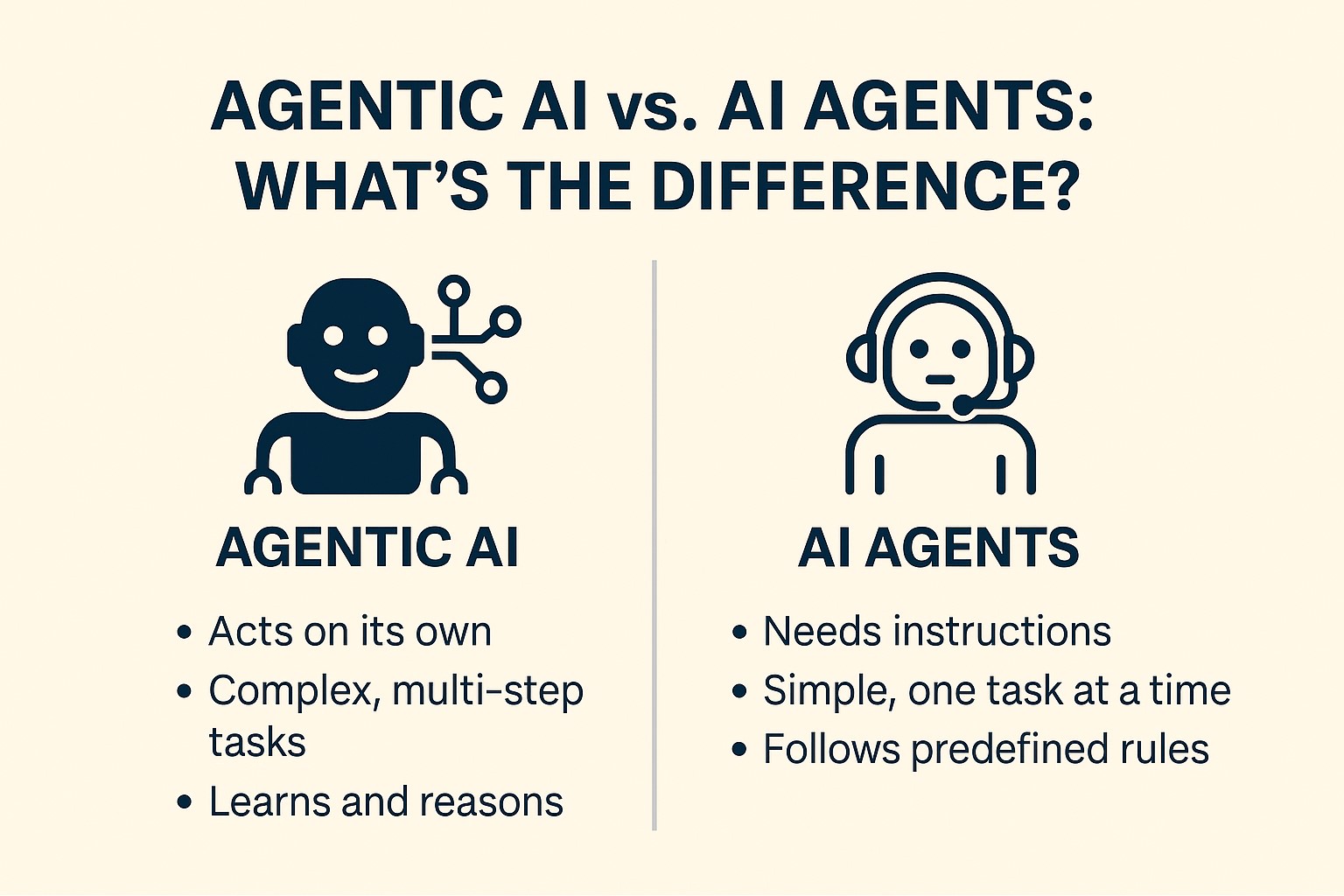
Think about the split. ChatGPT sits as the brain. It reasons, plans, and writes text. An agent adds hands. Those hands connect to tools like web browsers or email clients. The agent decides the next click based on what it sees on screen. It does not stop at suggestions. It executes. You tell it to research competitors, and it opens tabs, scans pages, pulls data, and drops a report in your folder. No copy-paste. No manual steps. The brain thinks. The hands move. This setup turns passive chat into active work.
Skeptics point out early agents crashed often. They still do in messy cases. Yet the core idea holds. One prompt becomes twenty automated steps. You stay in charge of goals. The agent handles the grind. That shift alone saves hours every single day.
Now scale it. One agent works solo. A team of agents works together. You assign roles the same way a manager hands out jobs in a real office. One agent writes the first draft. Another fact-checks every claim against fresh sources. A third formats the post, adds images if needed, and schedules it live. They pass results back and forth. The writer finishes, the checker flags errors, the poster cleans and launches. No meetings. No delays. Your laptop runs the whole crew.
This multi-agent setup mirrors a small company. Each member specializes. The writer focuses on clear language. The checker hunts contradictions. The poster knows platform rules. They collaborate without ego or coffee breaks. You watch the output improve step by step. One run might produce a full LinkedIn thread ready to publish. Another handles customer support tickets from inbox to reply. The pattern repeats across any repeatable work.
Costs stay at zero if you pick the right setup. Open-source tools run on free models or your own hardware. No salaries. No benefits. Just electricity and occasional API credits if you choose cloud brains. The virtual workforce scales without hiring headaches.
History shows why this moment matters. Early chat tools like ChatGPT arrived in late 2022. They answered questions fast. People loved the brain. Then developers added tools. Auto-GPT dropped in 2023 as one of the first that could loop on its own. It took a goal, broke it into steps, and kept going until done. BabyAGI followed with task lists that updated themselves. Both proved the concept. By 2026 frameworks like CrewAI made teams simple to build. The hands caught up to the brain. Now anyone runs a full operation from a single machine.
Practical wins appear everywhere once you try it. A marketer sets one agent to scan trends on X and Reddit. Another turns findings into ad copy. A third tests the copy on a dummy audience and reports click estimates. The whole campaign sketches itself in under an hour. No junior staff required. A freelancer uses agents to handle client onboarding. One pulls contract templates, another fills client details from email, a third sends the signed version. Time drops from days to minutes.
Business owners notice the same edge. Inventory checks run automatically. An agent logs into the store dashboard, counts stock, flags low items, and emails suppliers. No spreadsheets left open overnight. Support teams route simple queries to an agent that answers from knowledge bases and escalates the rest. Human staff focus on tough cases. Output rises. Burnout falls.
Skepticism keeps things honest. Agents still hallucinate facts sometimes. They pick wrong links or misread pages. Multi-agent teams can loop in circles if goals stay vague. You must review final work. Treat them as tireless interns, not perfect executives. Set clear checkpoints. Give them narrow tools at first. Watch logs for wasted steps. The failures teach fast. One bad run shows exactly where instructions need tightening.
Data privacy raises another flag. Agents touch real accounts. They browse public sites fine. Private logins demand care. Use sandbox accounts or local models when possible. Open-source options run everything offline if you host the brain yourself. That choice cuts costs to near zero and keeps data inside your machine.
Start simple. Pick one tool and test. Auto-GPT offers a solid entry. Install it from the official repo. Feed it a goal like research your next product idea. It spins up, searches the web, saves notes, and summarizes. The interface stays text-based. You watch every decision. Tweaks happen in the prompt. Add tools for email or calendars later. The whole thing runs free with open models or cheap API keys.
CrewAI takes the team approach further. Define agents by role. Give the writer agent a goal to produce 800 words on market gaps. Assign the fact-checker a list of sources to verify. Link the poster to your social accounts via safe connectors. Run the crew once. See the handoffs. Documentation stays clear. Community examples cover content pipelines, research reports, and sales outreach. Download, tweak one script, and launch your first crew in under thirty minutes.
Both tools stay free at core. Auto-GPT focuses on single autonomous runs. CrewAI shines with collaboration. Start with Auto-GPT to feel the hands move. Move to CrewAI once you want the mini-company effect. Either beats hiring. Both beat waiting for perfect AI.
Real setups reveal power fast. One user automated competitor tracking. The agent crew pulled pricing from three sites, compared features, and emailed a weekly digest. Time saved: four hours weekly. Another ran podcast production. Research agent gathered guest stats. Script agent wrote episodes. Fact agent cleaned quotes. Post agent scheduled clips. One person now ships three episodes monthly instead of one.
Limitations appear when tasks grow complex. Long chains need memory management. Agents forget context after too many steps. Add vector stores or simple databases to fix that. Tools sometimes break when websites change layouts. Build retry logic early. Costs creep if you rely on premium models nonstop. Switch to local open-source brains like Llama derivatives. They run slower yet stay free forever.
Training yourself matters more than code skill. Good prompts act as job descriptions. Specific goals beat vague ones. Example: instead of write a blog post, say produce 1200 words on AI agents for small businesses, target tone professional yet direct, include three real examples from 2026. The agent follows better. Test small. Scale after success.
Industry reports from early 2026 back the trend. Companies embed agents in 40 percent of apps already. Productivity jumps where teams delegate routine work. One study tracked agents completing tasks 88 percent faster and 90 percent cheaper than humans on similar jobs. Quality lags in creative spots but crushes data entry or monitoring. The gap closes monthly as models improve.
Personal use delivers quick wins too. Students build research crews that summarize papers and flag contradictions. Side hustlers automate social media calendars end to end. Parents schedule family logistics without spreadsheets. The virtual workforce fits any laptop. No office. No payroll.
Setup details help newcomers. For Auto-GPT, clone the GitHub repo, install Python dependencies, add your API key for the brain, and run the command line. First goal can be simple: find the top three news stories on AI agents today and save them as a text file. Watch it browse, extract, and organize. Errors teach prompt fixes fast.
CrewAI follows similar steps. Install via pip, create a Python file, define three agents with roles, assign linked tasks, and kick off the crew. Example code patterns sit in their docs. One agent researches, one writes, one reviews. Output lands in a folder or email. Tweak roles until the flow matches your style.
Risks stay real. Over-reliance kills critical thinking. Agents copy patterns from training data. Fresh ideas need your input. Security breaches happen if keys leak. Store them encrypted. Monitor usage logs. Treat every output as draft until verified.
The evidence piles up. People who test agents once rarely go back to solo work. Output multiplies. Time frees for strategy instead of execution. One laptop replaces a department on repeatable tasks. The revolution sits in your hands right now.
Grab Auto-GPT or CrewAI today. Build your first agent before the week ends. Run one task end to end. Measure the hours saved. Then add the second agent. Watch the mini-company grow. The virtual workforce waits. Zero salary. Full control. Your move.


Comments
Post a Comment